IGVF LogoIGVF banner

Search for variants, genomic regions, or genes to line up IGVF experimental measurements beside computational predictions.

The universal search bar understands HGNC symbols, rsIDs, SPDI strings, chr:start-end coordinates, and even PMID lookups鈥攕urface the right entity, then drill into the flagship datasets below.

Search the IGVF Catalog

Start typing and use autocomplete badges (馃К gene, 馃 variant, 馃搷 region) to jump directly to deep pages.

Variants & rsIDs

Use dbSNP rsIDs, ClinVar accessions, or SPDI coordinates to compare IGVF measurements with external annotations instantly.

Regions & enhancers

Paste chr:start-end coordinates to overlay enhancer鈥揼ene predictions, MPRA tiles, and locus-specific regulatory insights.

Genes & transcripts

Enter HGNC symbols or Ensembl transcripts to open dashboards that unify proteomic, regulatory, and prediction layers.

IGVF data types

Experimental datasets & model predictions

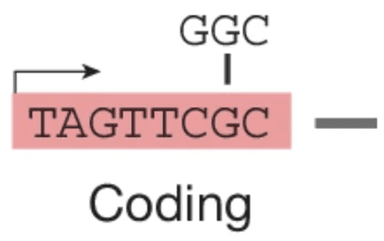
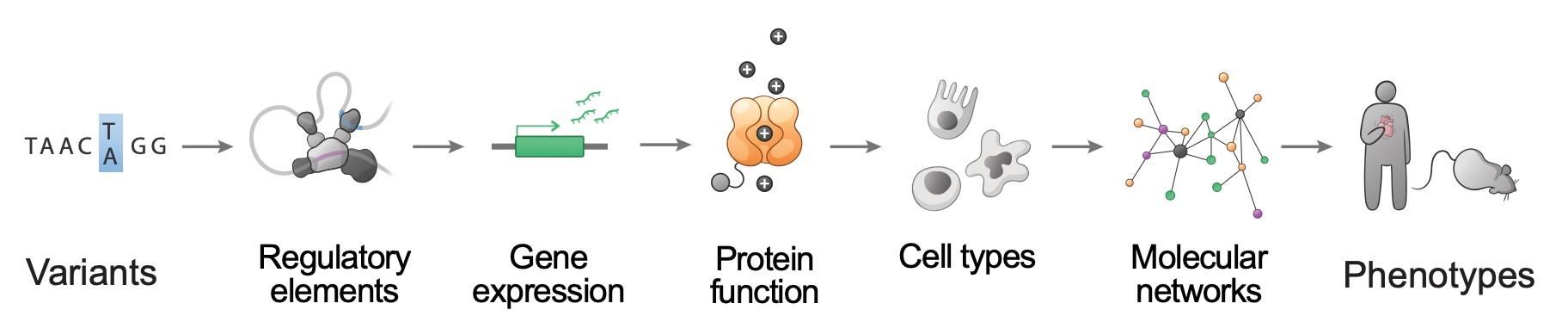
Follow the same color system you'll see on every gene, variant, and region page鈥攃oding assays, noncoding enhancers, molecular networks, phenotypes, and allele鈥慺requency context. Each bar hints at how much IGVF content we currently surface for that category.

Coding data
VAMP-seq 路 SGE 路 MaveDB

Protein abundance campaigns and multiplexed assays for sentinel genes.

Noncoding data
BlueSTARR 路 MPRA 路 rE2G enhancers

Regulatory screens and enhancer maps that connect loci to biosamples.

Molecular networks
Network pilots

Perturb-seq and CRISPR network resources rolling out with the next IGVF drop.

Phenotypes
ClinGen 路 Orphanet 路 GWAS

Clinical assertions and GWAS hits layered onto every gene and variant.

Allele frequencies & scores
FAVOR 路 dbNSFP 路 LD

Frequency summaries, annotation scores, and linkage contexts from IGVF + external portals.

This visualization mirrors the PageCategoryHeader on entity pages so the coverage palette feels consistent as you jump from the homepage into specific genes, variants, or regions.

Currently, the Catalog includes a preview of IGVF measurements and predictions spanning the following flagship datasets:

Coding Variant Saturation Mutagenesis

VAMP-seq 路 SGE

IGVF saturation mutagenesis campaigns quantify how missense variants reshape protein abundance and transcription across 10 sentinel genes.

  • VAMP-seq reports steady-state protein abundance shifts for thousands of alleles. Open the latest plots.
  • Self-guided expression (SGE) assays capture the RNA consequences so you can compare expression and abundance side by side.

Gene symbol, HGNC ID, or rsID (e.g., BRCA1, HGNC:1100, rs121913527).

Proteome-scale Variant Effect Predictions

MutPred2 路 ESM-v1

Proteome-wide prediction tracks provide impact scores for nearly every amino-acid substitution, complementing measured assays when wet-lab data are still pending.

  • Surface per-residue pathogenicity estimates and biophysical annotations without waiting for new experiments.
  • Predictions appear beside experimental data on variant and gene pages for quick triage.

SPDI or rsID (e.g., NC_000017.11:43071077:G:A).

Enhancer鈥揋ene Prediction Atlas

ENCODE-rE2G

Functional genomic models connect enhancers to target genes across ~1,700 biosamples, revealing tissue-specific regulatory wiring at scale.

  • Inspect enhancer class, distance, and posterior probabilities for each predicted connection.
  • Use gene or region lookups to pivot between candidate enhancers and their regulated genes.

Gene symbol or region coordinate (e.g., GATA1, chr7:27100000-27250000).

Regulatory Activity Screens

BlueSTARR 路 MPRA

STARR-seq-based predictions (BlueSTARR) and MPRA measurements pinpoint noncoding variants with measurable regulatory activity, including K562-focused screens.

  • Identify enhancer variants with predicted log fold changes straight from BlueSTARR analyses.
  • MPRA panels list measured activity scores for curated variant libraries so you can confirm model predictions.

Region window or rsID inside the enhancer (e.g., chr10:9400000-9415000).

The IGVF Catalog also integrates information from the eQTL Catalogue, GWAS Catalog, ENCODE, and other community resources. See Data Sources for attribution details.

Preview IGVF measurements & predictions

A quick glance at the assay types surfaced on gene, variant, and region dashboards.

Snapshot of current release
DatasetTypeAssays / modelsVisual preview

VAMP-seq & SGE readouts

Thousands of coding variants per gene with matched protein abundance and expression measurements.

MeasurementVAMP-seq, SGE

Regulatory activity screens

Reporter assays quantify enhancer activity and variant impact across curated noncoding libraries.

MeasurementBlueSTARR, MPRA

Enhancer鈥揼ene predictions

Model-derived enhancer links with posterior probabilities, biosample tags, and regulatory distance metrics.

PredictionENCODE rE2G

Proteome-scale impact scores

Proteome-wide variant effect predictions help triage alleles while waiting for new functional assays.

PredictionMutPred2, ESM-1v

How to search the IGVF Catalog

Follow these quick tips to jump from the main search bar to the datasets above without missing context.

Search Docs
Step 1

Genes & transcripts

Enter an HGNC gene symbol, HGNC ID (HGNC:####), or Ensembl transcript ID to open gene dashboards that summarize coding, regulatory, and phenotype datasets together.

Try: BRCA1, HGNC:1100, or ENST00000357654

Step 2

Variants & rsIDs

Type a dbSNP identifier and the search bar auto-detects it, taking you directly to the variant page that surfaces IGVF measurements and predictions.

Try: rs7412

Step 3

SPDI precision

Provide SPDI-formatted coordinates (sequence:position:reference:alternate) for unambiguous alleles, especially when multiple transcripts exist.

Try: NC_000017.11:43071077:G:A

Step 4

Genomic regions

Use chr:start-end coordinates to load region pages that overlay enhancer-gene predictions, MPRA tiles, and other noncoding measurements.

Try: chr8:117100000-117150000

Step 5

Leverage autocomplete

Suggestions display icons (馃К gene, 馃 variant, 馃搷 region, 馃摎 ontology) so you can pick the exact entity with the arrow keys or mouse before pressing Enter.

Try: Select 'Variant 路 rs7412' from the list.

Step 6

PubMed IDs

Prefix `PMID:` to jump to linked publications and documentation when you need supporting methods or study context.

Try: PMID:30929738

Related IGVF Apps

Jump to companion tools built by IGVF investigators for deeper dives into enhancer鈥揼ene predictions, variant effect maps, and tissue-specific resources.

FAVOR logo

FAVOR

Dataset

Functional Annotation of Variants Online Resource aggregates dbNSFP-style annotations plus IGVF add-ons for billions of variants.

  • Feature-rich variant annotation matrix for bulk downloads.
  • Matches the scoring columns surfaced in IGVF coding tables.
MaveDB logo

MaveDB

Dataset

Community repository for multiplexed assays of variant effect (MAVE)鈥攊ncluding IGVF VAMP-seq, SGE, and deep mutational scanning releases.

  • Browse per-variant activity scores and metadata for each MAVE experiment.
  • Links out to raw data, analysis notebooks, and consortium publications.
Lipids Knowledge Portal logo

Lipids Knowledge Portal

Companion App

Disease-focused knowledge portal highlighting IGVF lipids data, study cohorts, and downstream analyses.

  • Integrates IGVF measurements with lipid trait cohorts.
  • Provides curated visualizations tailored to cardiometabolic phenotypes.
E2G logo

E2G

Prediction Model

Stanford ENCODE-to-Gene portal for exploring enhancer鈥揼ene predictions derived from ENCODE/IGVF (rE2G) models.

  • Visualize biosample-specific enhancer to gene links for any locus.
  • Download posterior probabilities to compare against IGVF region dashboards.
RegulomeDB logo

RegulomeDB

Companion App

Prioritizes noncoding variants by intersecting ENCODE, IGVF, and legacy regulatory annotations.

  • Instantly scores variants using motif hits, DNase, TF binding, and QTL context.
  • Great companion when triaging variants discovered through IGVF browse.
IGVF Coding Variants logo

IGVF Coding Variants

Dataset

Purpose-built MaveDB experience for IGVF coding variant submissions鈥攐ptimized for comparing VAMP-seq, SGE, and related assays.

  • Search by gene or variant name to jump straight to multiplexed measurements.
  • Mirrors the experimental rows you see inside IGVF variant pages.

IGVF Data Portal

Dataset

Primary ingestion point for raw IGVF files, processed pipelines, and metadata submissions.

  • Access raw files that back the summarized tables in the catalog.
  • Find submission status and harmonized metadata across the consortium.

DACC IGVF Catalog

Companion App

The application you are currently using鈥攖he DACC-built catalog that links variants, genes, regions, and ontologies.

  • Unified search across rsIDs, genes, regions, and publications.
  • Interactive tables powered by the same APIs exposed under /api.

Explore the API

Access IGVF Consortium datasets programmatically through our comprehensive API, enabling seamless integration of genomic variation and functional data into your research workflows.

Documentation

Access detailed documentation and examples demonstrating how to query, visualize, and integrate IGVF resources. Future updates will expand use cases and API coverage.

IGVF Chatbot

The IGVF Chatbot assists users by translating natural language queries into AQL, retrieving results directly from our knowledge graph.